
The vacation rental landscape in Northern California is changing rapidly. If you own a property in Sonoma or Marin County, you've likely heard whispers about new regulations, deadlines, and requirements that could affect your rental operation. But with so much information floating around, it can be difficult to separate fact from fiction.
At 3 SUNS Vacation Rentals, we're committed to helping property owners navigate these changes confidently. This comprehensive guide breaks down what you need to know about the latest regulatory changes, important deadlines, and practical steps to ensure your vacation rental remains compliant and profitable.
Why Regulations Are Changing
Before diving into specifics, it's worth understanding why counties are tightening vacation rental regulations. The explosive growth of short-term rentals has raised concerns about:
- Housing availability for local residents
- Neighborhood character and community cohesion
- Infrastructure capacity (water, sewer, roads)
- Tax collection and enforcement
- Environmental impacts
While these regulations may initially seem burdensome, they actually help create a more sustainable vacation rental ecosystem that benefits everyone in the long run.

Sonoma County: Major Regulatory Overhaul
Sonoma County has implemented some of the most significant vacation rental regulation changes in recent years. Here's what property owners need to know:
Critical Deadlines You Can't Afford to Miss
The clock is ticking for compliance in Sonoma County:
- For properties outside the coastal zone: You must obtain a Vacation Rental License by June 15, 2024
- For properties within the coastal zone: Your deadline is extended to April 11, 2025
- New operators: Must complete the full application process before beginning operations
Missing these deadlines could result in the inability to legally operate your rental and potential penalties.
Coastal vs. Inland: Understanding the Differences
Location matters significantly when it comes to Sonoma County regulations:
Coastal Zone Properties
- More flexible zoning restrictions
- Extended compliance timeline (until April 11, 2025)
- Still subject to standards for septic capacity, parking, and other operational requirements
- Must await California Coastal Commission approvals before applying for certain permits
Non-Coastal (Inland) Properties
- Subject to exclusion zones and neighborhood caps
- Earlier compliance deadline (June 15, 2024)
- More restrictive zoning requirements
- Additional regulations regarding septic systems, parking, and bedroom counts
New License and Permit Requirements
All vacation rental operators in unincorporated Sonoma County must now navigate a more structured process:
- Business License Requirement: All vacation rental operators must obtain a business license
- Permit Requirements: Depending on your location and when you began operations, you may also need a permit
- Documentation Needs:
- Completed Planning Application
- Signed Indemnification Agreement
- License Application
- Detailed site and floor plans
- Proof of ownership
- Additional documentation based on property specifics
- Application Process:
- Submit applications electronically to Permit Sonoma
- Fees are determined by staff during application review
- Processing can take several weeks to months
Critical Operational Restrictions
Beyond paperwork, Sonoma County has implemented several operational restrictions:
- Occupancy limits: Maximum of 12 guests, regardless of home size
- Ownership restrictions: Licenses are only issued to individuals, not LLCs or corporations
- Parking limitations: Specific requirements based on property size and location
- Noise and lighting restrictions: To minimize neighborhood disturbances
- Property sales impact: When a property is sold, existing permits become invalid, and new owners must reapply

Marin County: Evolving Regulations
While Marin County's regulations are currently less detailed than Sonoma's, vacation rental owners in unincorporated areas should be aware of these key points:
License Requirements
- All short-term rentals (under 30 days) require a Short-Term Rental License
- Applications must include property details, owner information, and safety certifications
- Renewals are typically required annually
Enforcement Focus
Marin County is placing increased emphasis on:
- Noise regulations
- Parking overflow issues
- Occupancy limits
- Response to neighborhood complaints
- Tax compliance
Looking Ahead
Property owners in Marin should stay vigilant, as the county continues to review and potentially update its vacation rental regulations. What's relatively straightforward today could become more complex tomorrow.
Practical Steps for Compliance
Navigating these changes can feel overwhelming, but breaking it down into actionable steps makes the process manageable:
1. Determine Your Property's Location and Status
First, identify whether your property is:
- In Sonoma or Marin County
- Within or outside a coastal zone (for Sonoma properties)
- An existing operation or a new rental
- In an area with specific caps or exclusions
This information determines which regulations apply to you and your compliance timeline.
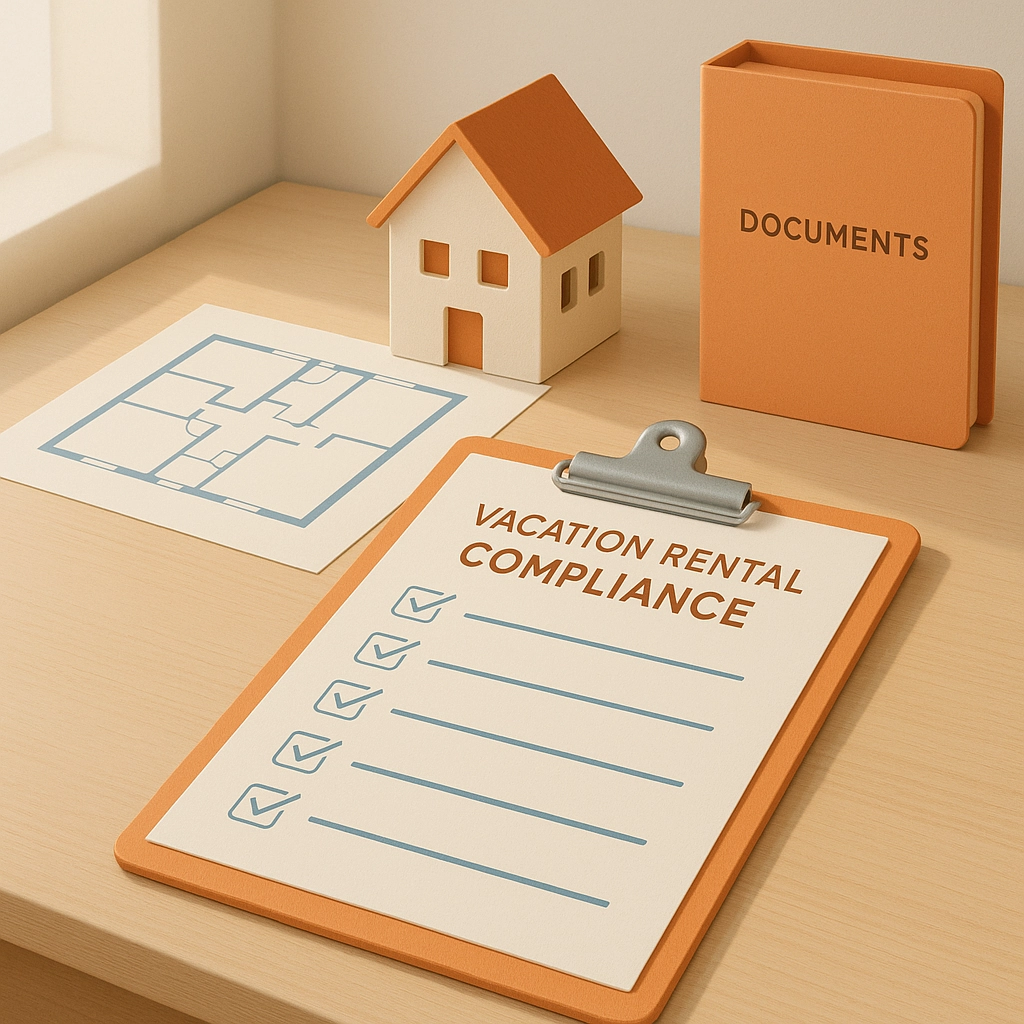
2. Gather Required Documentation
Start collecting the necessary paperwork:
- Property ownership documents
- Floor plans and site plans
- Septic system documentation (if applicable)
- Parking information
- Previous permit or TOT documentation (for existing rentals)
Having these documents organized early will streamline your application process.
3. Review Your Property Features
Assess whether your property meets the new requirements:
- Sufficient parking spaces
- Proper septic capacity
- Bedroom count documentation
- Occupancy limits compliance
- Safety features (smoke detectors, fire extinguishers, etc.)
Make necessary upgrades or modifications before applying.
4. Submit Applications On Time
Mark these important dates:
- June 15, 2024: Deadline for most Sonoma County properties outside coastal zones
- April 11, 2025: Deadline for Sonoma County coastal properties
Submit your applications well before these dates to allow time for processing and any required corrections.
5. Update Your Rental Policies
Ensure your rental listings and guest communications reflect the new regulations:
- Accurate occupancy limits
- Parking restrictions
- Noise policies
- Other county-specific requirements
How 3 SUNS Vacation Rentals Can Help
Navigating complex regulations while maximizing your property's potential isn't easy. That's where professional management can make all the difference.
At 3 SUNS Vacation Rentals, we specialize in helping property owners in Sonoma and Marin Counties:
- Stay Compliant: Our team keeps up with changing regulations so you don't have to
- Maximize Revenue: Our revenue management strategies help optimize your rental income while maintaining compliance
- Handle Documentation: We can assist with gathering and submitting required paperwork
- Property Assessments: Our property analysis service helps identify any compliance issues before they become problems
- Guest Screening: We ensure guests understand and follow local regulations
Planning for Long-Term Success
These regulatory changes represent more than just hurdles to clear—they're reshaping the vacation rental landscape in Northern California. Forward-thinking property owners should consider:
Strategic Property Improvements
Invest in upgrades that enhance guest experience while ensuring compliance:
- Sound insulation to mitigate noise concerns
- Parking area improvements
- Water-efficient fixtures and systems
- Clear guest information about local regulations
Relationship Building
Build positive relationships with:
- Neighbors (addressing concerns proactively)
- Local officials (demonstrating commitment to compliance)
- Community organizations (showing investment in the area)
Diversification Strategies
Consider diversifying your rental approach:
- Mix of short-term and mid-term stays
- Targeting different guest demographics
- Seasonal strategy adjustments
- Property positioning that aligns with regulatory priorities
Conclusion: Turning Challenges into Opportunities
While navigating new regulations can feel daunting, property owners who adapt quickly will find themselves at a competitive advantage. Compliance isn't just about avoiding penalties—it's about positioning your vacation rental for sustainable, long-term success in a changing market.
The good news? You don't have to figure it all out alone. 3 SUNS Vacation Rentals has the local expertise and industry knowledge to help you not just survive these regulatory changes, but thrive despite them.
Whether you're concerned about meeting upcoming deadlines, need help with application paperwork, or want to ensure your property maximizes its potential within the new regulatory framework, our team is ready to help.
Want to learn how we can help your specific property navigate these changes? Contact us today for a personalized consultation or explore our full management services to see how we can take these regulatory headaches off your plate entirely.