
Published: 2025-12-15
The vacation rental landscape in Sonoma and Marin Counties has undergone dramatic regulatory changes in 2026, leaving many property owners scrambling to stay compliant. With new state laws, updated county ordinances, and evolving city regulations, even experienced hosts are making costly mistakes that could jeopardize their rental operations.
Whether you're managing a cozy cottage in Guerneville, a luxury estate in Healdsburg, or a beachfront property in Stinson Beach, understanding these common compliance errors: and how to fix them: is crucial for protecting your investment and maintaining your rental license.
Mistake #1: Ignoring California's New Statewide Registration Requirements
California's 2026 Short-Term Rental Registration Act caught many property owners off-guard. Unlike previous years when regulations were primarily local, the state now requires all vacation rental properties to register with the California Department of Tax and Fee Administration (CDTFA) regardless of local requirements.
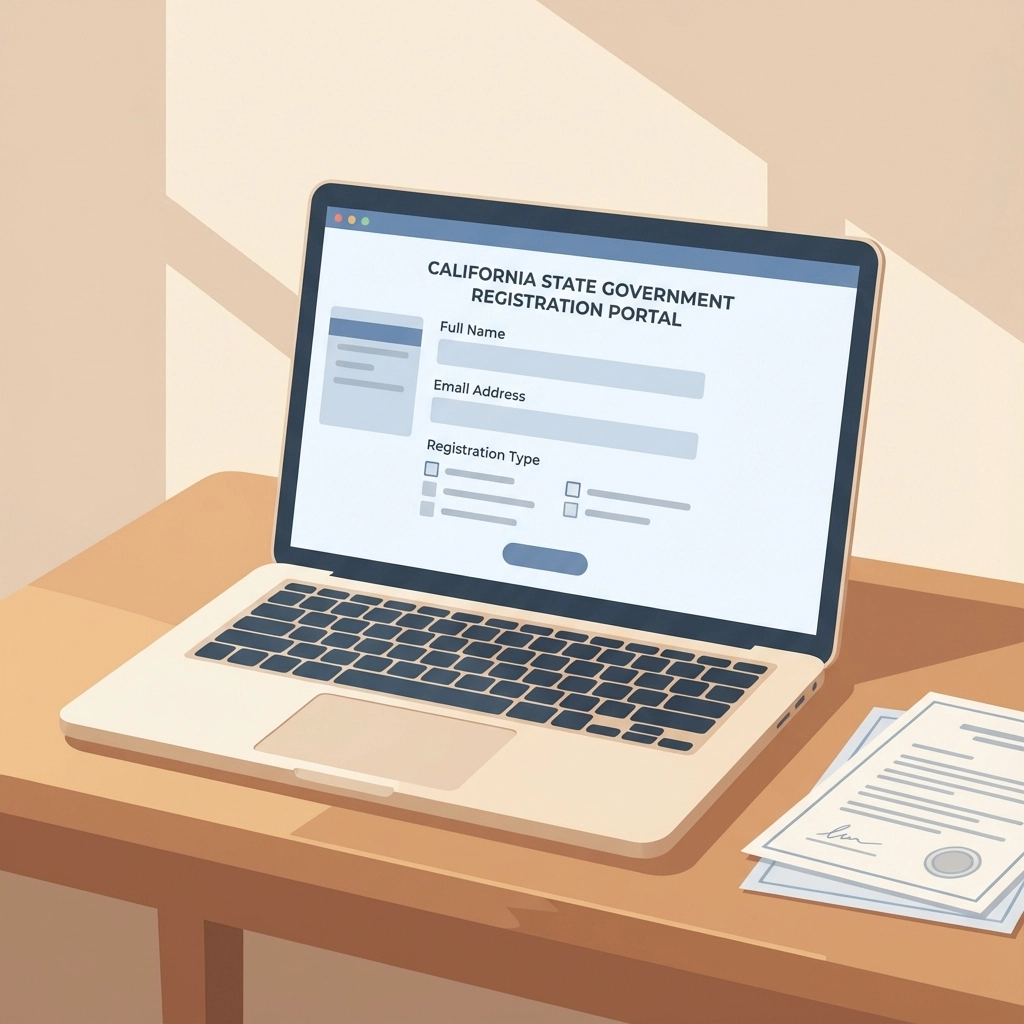
How to Fix It: Complete your statewide registration immediately through the CDTFA portal. You'll need your business license number, property tax assessor's parcel number, and proof of liability insurance. The registration fee is $75 annually, and failure to register can result in $500 daily fines. Don't assume your local permits are sufficient: state and local registrations are separate requirements that must both be maintained.
Mistake #2: Misunderstanding Sonoma County's 120-Day Cap
Many Sonoma County vacation rental owners are still operating under pre-2026 rules, not realizing that the county now enforces a strict 120-day annual rental cap for properties in unincorporated areas. This includes popular destinations like Jenner, Duncan Mills, and parts of the Russian River region.
How to Fix It: Track your rental nights meticulously using calendar software that integrates with your booking platforms. Consider blocking out high-demand periods strategically to maximize revenue within your 120-day limit. Properties that exceed this cap face automatic license suspension and potential revocation. If you're approaching your limit, pivot to longer-term rentals for the remainder of the year to maintain occupancy.
Mistake #3: Overlooking Marin County's Enhanced Safety Requirements
Marin County's 2026 safety regulations are among California's strictest, requiring annual professional inspections for all vacation rentals. Many hosts are still relying on self-inspections or basic smoke detector checks, not realizing that certified inspectors must now verify everything from electrical systems to emergency evacuation plans.

How to Fix It: Schedule your annual inspection with a county-certified inspector immediately. The inspection covers electrical safety, plumbing, HVAC systems, fire suppression equipment, and carbon monoxide detectors. Budget $300-500 for the inspection plus any remediation costs. Keep all inspection certificates on file and post the current certificate prominently in your rental property. Properties without valid inspection certificates cannot legally operate.
Mistake #4: Failing to Implement New Noise Monitoring Technology
Both Sonoma and Marin Counties now require objective noise monitoring systems for vacation rentals, moving beyond neighbor complaints to automated enforcement. Many hosts are installing basic decibel meters without understanding the specific technical requirements for compliance.
How to Fix It: Install county-approved noise monitoring devices that connect to a central monitoring system. Acceptable devices must measure decibel levels continuously, send real-time alerts to property managers, and maintain 30-day data logs accessible to county enforcement. The investment ($200-400 per device) prevents the much costlier noise violations, which start at $1,000 for first offenses in 2026.
Mistake #5: Incorrect Transient Occupancy Tax (TOT) Collection
California's updated TOT regulations require vacation rental owners to collect taxes at the point of booking, not upon arrival. Many hosts using older booking systems or manual processes are still collecting TOT incorrectly, creating liability for both unpaid taxes and penalties.

How to Fix It: Update your booking system to automatically calculate and collect TOT at the time of reservation confirmation. Sonoma County's rate varies by jurisdiction (typically 10-14%), while most Marin County areas charge 12%. Register directly with each tax authority where your properties are located: county registration doesn't cover city taxes in incorporated areas. Submit monthly returns even for zero-activity periods to avoid penalty assessments.
Mistake #6: Inadequate Guest Parking Documentation
New parking enforcement protocols require vacation rental owners to provide specific parking documentation to guests and maintain detailed records. Simply telling guests "park in the driveway" is no longer sufficient under 2026 regulations.
How to Fix It: Create detailed parking maps showing exact legal parking locations for each property. Include GPS coordinates, photos of designated spaces, and clear instructions about restricted areas. Email these documents to guests 48 hours before arrival and keep delivery confirmation records. For properties with limited parking, consider pre-arranging additional spaces or providing shuttle information to reduce guest frustration and neighbor complaints.
Mistake #7: Not Understanding Host Presence Requirements
Sonoma County's new "host presence" requirements mandate that property owners or designated local representatives be available within 30 minutes of the rental property during all active bookings. Many out-of-area owners are operating without compliant local management, creating serious liability exposure.

How to Fix It: Either relocate to within 30 minutes of your rental property or engage a professional vacation rental management company with proven local response capabilities. The designated representative must be available 24/7 during bookings, possess keys to the property, and have authority to address emergencies or code violations immediately. Document your compliance plan and keep current contact information on file with the county.
Staying Ahead of Evolving Regulations
The regulatory environment for vacation rentals in Sonoma and Marin Counties continues evolving rapidly. What's compliant today may not be tomorrow, making proactive management essential for long-term success.

Consider partnering with experienced local vacation rental management companies like 3 SUNS Vacation Rentals that specialize in regulatory compliance across both counties. Professional management teams stay current with regulatory changes, maintain required documentation, and provide the local presence that many jurisdictions now mandate.
Regular compliance audits, proper documentation systems, and proactive relationship-building with local authorities aren't just good business practices: they're essential for protecting your vacation rental investment in 2026's complex regulatory environment.
The vacation rental industry in Northern California remains profitable and rewarding for property owners who prioritize compliance. By avoiding these seven common mistakes and implementing proper systems, you'll position your rental business for sustained success while contributing positively to your local community.
Remember: the cost of compliance is always less than the cost of non-compliance. Take action today to protect your vacation rental investment and ensure seamless operations throughout 2026 and beyond.